
“The Princess and the Frog,” “The Good Dinosaur,” “Lady and the Tramp II;” these movies all have one common detail between them.
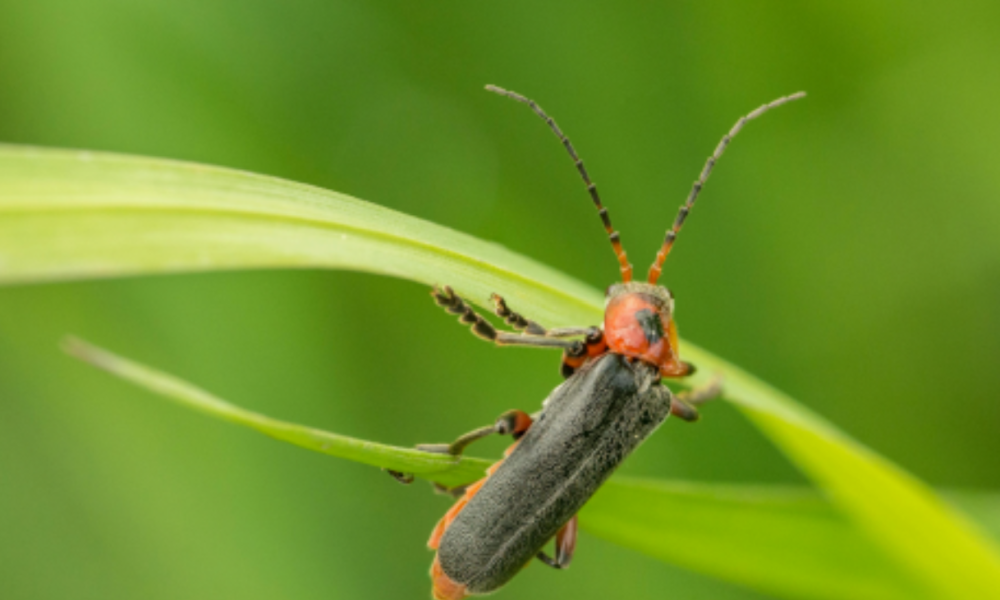
Fireflies, all these movies have fireflies in them. The glowing bugs that gave the movies a sense of magic are slowly disappearing from the real world.
According to National Geographic, Lampyridae, also known as fireflies, are a type of invertebrate with an omnivoric diet. They have the ability to create luminescent light in a special organ they possess. This special organ is called a lantern. The organ takes in oxygen and is combined with luciferin (a type of chemical compound) to then make light.
Light created from these insects serve two main reasons, one is to find mates through their light shining patterns and the second is a defense mechanism to show predators that they do not taste good.
According to Virginia Tech News, the biggest threat to fireflies is habitat loss. This issue pairs with artificial lighting that we use in our daily lives, leading to a visible decrease in population.
In an interview with Virginia Tech News, Eric Day, a manager at Insect ID who specializes in Insect Identification, stated, “This is why we’re seeing less and less each year. The more development there is, the less room there is for them to thrive.”
Another factor in fireflies population decline is global warming. It has played a major role in their dwindling numbers. Fireflies best thrive in areas with humid summers and cold winters, however, with the effects of global warming those areas are slowly decreasing each year.
According to Xerces Society, researchers have found that their decline is from, “habitat loss and degradation, light pollution, pesticide use, and climate change.”
Global warming has been destroying the eastern areas of the U.S. that fireflies once called home, while light pollution’s been interfering with their matting patterns, all while pesticides kill them off slowly.
To those who want to help fireflies, here are some ways to help them: try to not use pesticides, turn off outside lights at night, and allow species for fireflies to flourish in your yard or garden. Visit nwf.org to learn more about building an area for fireflies to live in your backyard.